
Water gets in
Concrete is porous. Water and dissolved salts can move into the surface instead of simply staying on top.
Driveway concrete protection
Water, snowmelt, road salt and repeated freeze-thaw cycles are normal parts of a Utah winter. If the concrete is still sound, the better question is whether it is worth protecting before the surface starts showing the cost of that exposure.
No obligation to treat the driveway. First we decide whether the concrete is a reasonable candidate.
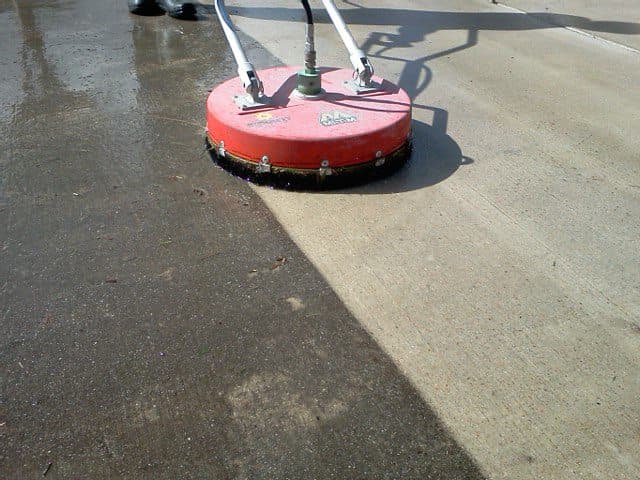
Protection starts with the surface
The treatment only makes sense when the slab condition and preparation make sense first.
The problem
Concrete is porous. Water and dissolved salts can move into the surface instead of simply staying on top.
Wet concrete is exposed to repeated freezing, thawing, traffic and deicing salts over multiple seasons.
Dusting, scaling, chips and small areas of surface loss can be easy to dismiss when the driveway still works.
Once deterioration becomes substantial, protection is no longer the job. Repair or replacement may become the conversation.
So what if you do nothing?
A sound driveway may go through years of weather without dramatic visible change. The problem is that once scaling, spalling or surface loss is obvious, a penetrating treatment cannot put missing concrete back. The useful window for protection is while there is still a good surface worth protecting.
The point
Protection is cheaper and simpler than pretending protection can repair a driveway after the surface has already failed.
We will tell you if the concrete is already beyond what this kind of treatment should reasonably be expected to solve.
The solution
For an eligible slab, we clean and prepare the surface and apply a penetrating concrete treatment selected for the driveway. These treatments are designed to work within the concrete rather than leaving a decorative film on top.
01
We look at age, condition, existing coatings or sealers, scaling, cracks, drainage and other conditions that affect whether treatment makes sense.
02
Dirt, salts, residue and contaminants have to be addressed so the surface is ready for the specified treatment.
03
We specify the penetrating treatment for the actual slab and apply it according to the product requirements and site conditions.
What it is intended to help with
What it does not do
Video coming
What driveway protection looks like from inspection through application.
Why we inspect first
A treatment is only useful if the slab is a reasonable candidate. Existing coatings, severe scaling, moisture behavior, previous sealers, repairs and surface contamination can all change the answer.
If the driveway needs a different solution—or another trade—we would rather say that before you spend money on the wrong treatment.
Small first step
The visit is simply to answer three questions: Is the slab a reasonable candidate? What would need to happen before treatment? And is protection worth doing now?
If you already have photos, send them with the request. They may be enough for us to tell you whether an on-site check is worthwhile.
That is exactly what the first conversation is for.